How to Reset HughesNet Password Using SAN Number
Learn how to reset HughesNet password using SAN number with simple recovery steps, identity verification, and easy fixes if login or reset options are not working.
Forgetting your HughesNet password is something many users deal with, especially when they haven’t logged in for a while or switch devices.
The good thing is, HughesNet gives you a recovery system that helps you reset your password using your SAN (Site Account Number). This number is basically your account identity and is used to verify that you are the real account owner before allowing any changes.
Once you understand how SAN works, the reset process becomes much easier and less stressful.
Understanding the Role of SAN in Account Recovery
Before resetting your password, it helps to know why SAN is important.
Your SAN is directly linked with your HughesNet service account. It connects your internet plan, billing details, and login profile into one unique identity.
That’s why, when you forget your password, HughesNet may ask for SAN first. It acts like a confirmation step so no one else can access your account without permission.
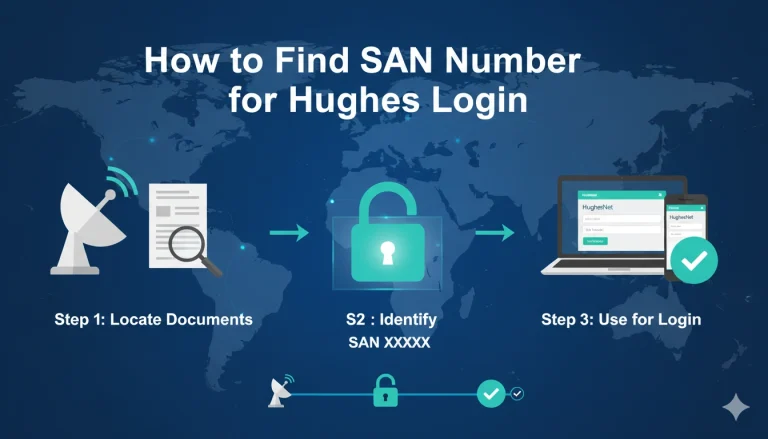
You’ll usually find SAN on your monthly bill, welcome email, or installation documents. Many users also see it inside their account dashboard if they are still partially logged in.
Starting the Password Reset Process
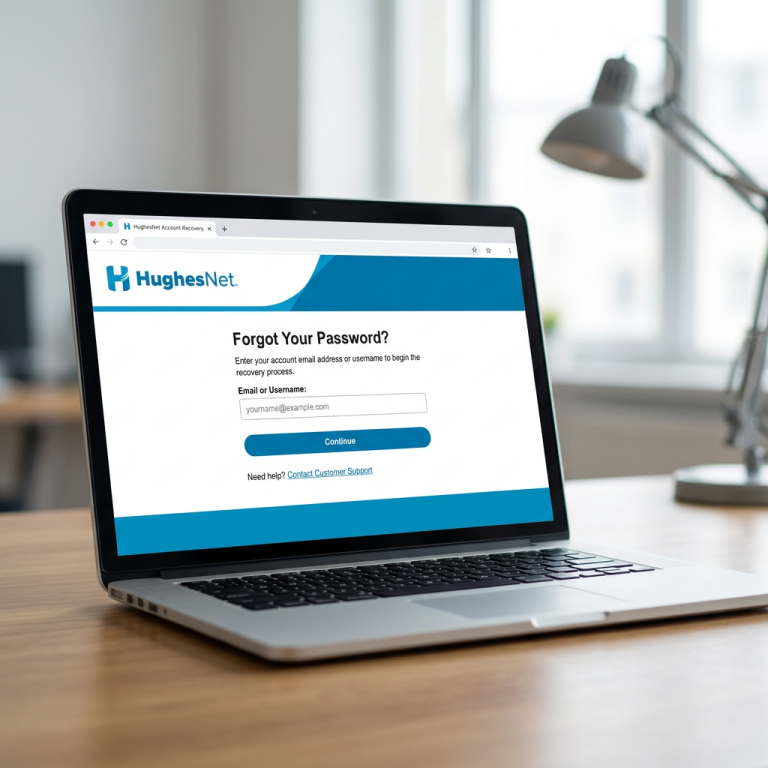
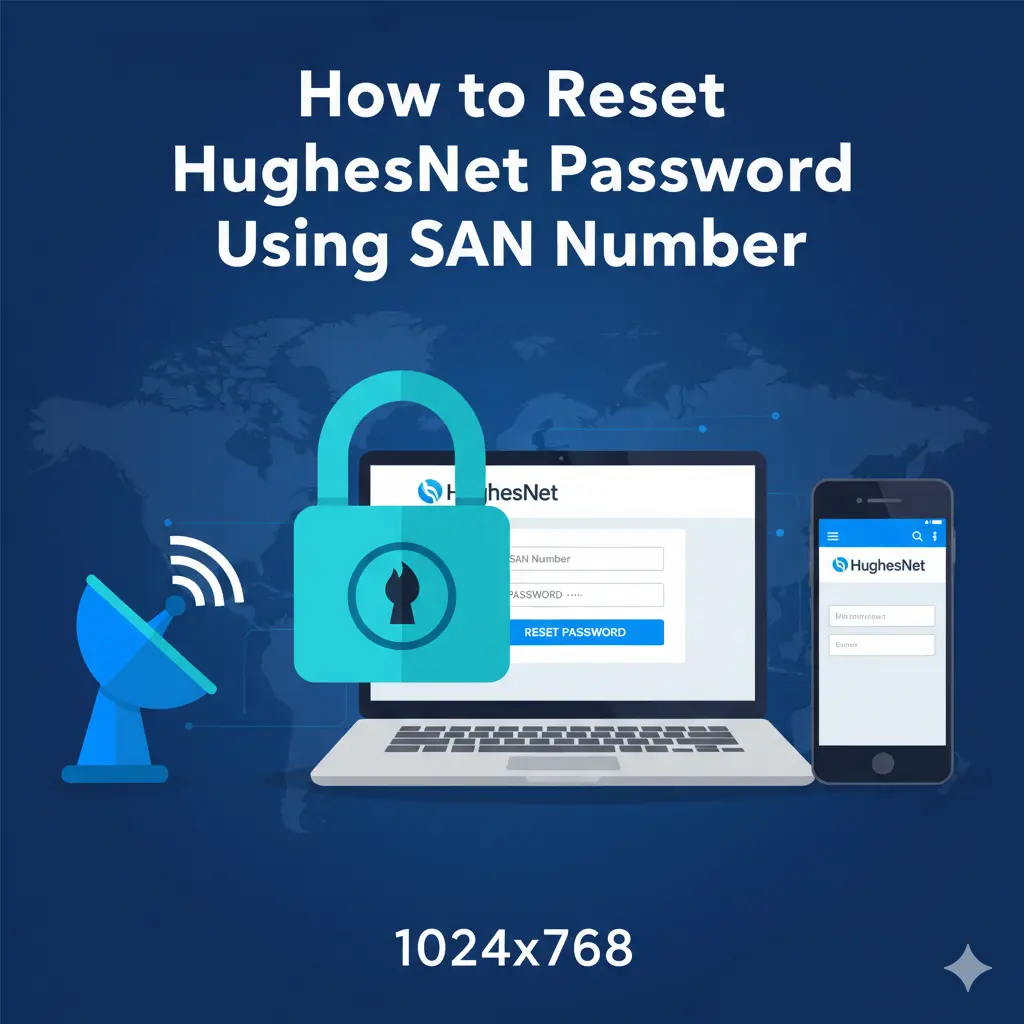
To begin, you simply go to the HughesNet login page and select the option for password recovery.
From there, the system guides you step by step. At this stage, you don’t need to worry about technical details; just follow what appears on the screen.
If your account requires verification, this is where your SAN number comes into play.
Once you enter it correctly, the system checks your account and prepares the next recovery step.
Using SAN Number for Verification
When you input your SAN number, HughesNet uses it to locate your account in their system.
If everything matches correctly, you will be allowed to continue with the reset process.
Sometimes users get stuck here, but in most cases, the issue is just a small typing mistake or confusion between similar numbers.
That’s why it’s always a good idea to carefully recheck your SAN before submitting it.
Once verified, the system moves you forward to choose how you want to receive your reset link or code.
Choosing a Recovery Method
After SAN verification, HughesNet usually offers different recovery options depending on what you have set up in your account.
You might receive a reset link on your email or a verification code on your registered mobile number. Some accounts may also include security questions as an extra layer of protection.
You simply choose the option you still have access to and continue.
Once verified, you’ll be taken to the password creation screen.
Creating a New Password
Now you can set a new password for your account.
It’s important to choose something that is both secure and easy for you to remember. Avoid using old passwords or anything too simple like names or numbers that can be guessed easily.
A strong password usually combines letters and numbers in a balanced way, making it harder for anyone else to access your account.
Once saved, your new password becomes active immediately, and you can log in again without issues.
When SAN Method Does Not Work
Sometimes users face issues where SAN is not accepted or does not lead to recovery.
This usually happens when:
- SAN is entered incorrectly
- account details don’t match billing records
- user is using a different or outdated account reference
In such situations, it’s important to carefully recheck your bill or official documents to confirm the correct SAN.
Even a small mistake can stop the verification process.
Alternative Recovery Options
If SAN-based recovery is not working, you still have other ways to reset your password.
You can try using your registered email address or mobile number instead. HughesNet also allows username recovery first, which can then be used for password reset.
So even if SAN is not available, account recovery is still possible through other methods linked to your profile.
Common Issues During Password Reset
Sometimes the reset process doesn’t go smoothly, and that can be frustrating.
A few common problems include not receiving verification emails, delays in SMS codes, or pages not loading properly due to browser issues.
These are usually temporary and can often be fixed by trying again after a short wait or refreshing the page.
In many cases, switching to a different browser or clearing cache also helps the reset page load correctly.
Simple Fixes That Help
If you get stuck during the reset process, a few quick actions can solve most issues.
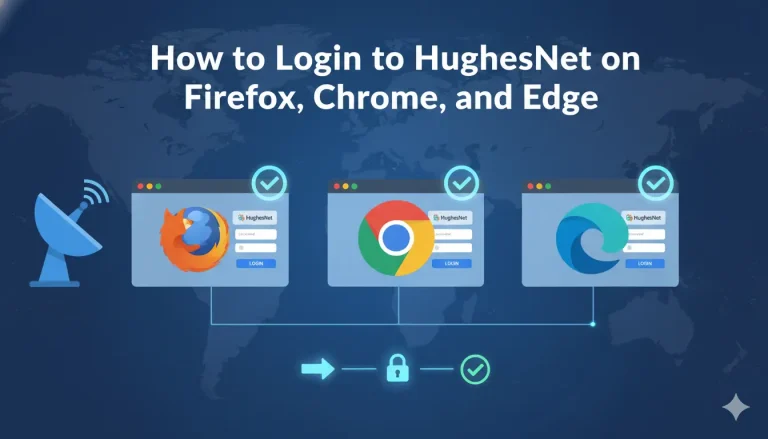
Refreshing the page, restarting your browser, or switching to a more stable browser like Chrome or Edge often makes a big difference.
Also, make sure your internet connection is stable because interruptions can affect verification steps.
These small fixes usually restore the process without needing technical support.
How to Avoid Future Password Problems
Once you successfully reset your password, it’s a good idea to secure your account properly.
Saving your login details in a secure place, updating your recovery email, and keeping your SAN written somewhere safe can save a lot of time in the future.
Many users face repeated login issues simply because they don’t store their details safely after recovery.
A few minutes of preparation now can prevent future headaches.
When to Contact HughesNet Support
If nothing works even after trying SAN recovery and alternative methods, then contacting HughesNet support is the final option.
They can manually verify your account, check SAN details, and help reset your password securely.
This is usually helpful when account information doesn’t match or recovery options are no longer accessible.
Conclusion
Resetting your HughesNet password using SAN number is a simple process when done step by step.
You start from the login page, use the password reset option, verify your identity with SAN, and then complete recovery through email or mobile verification.
Most users regain access quickly once the correct SAN is used.